
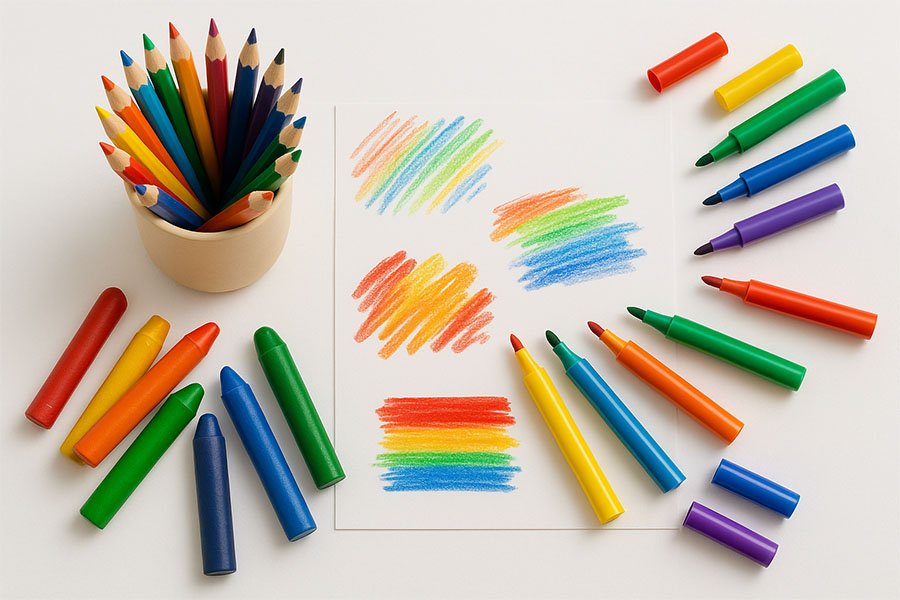
Best Tools for Colouring: Crayons, Markers, or Coloured Pencils?
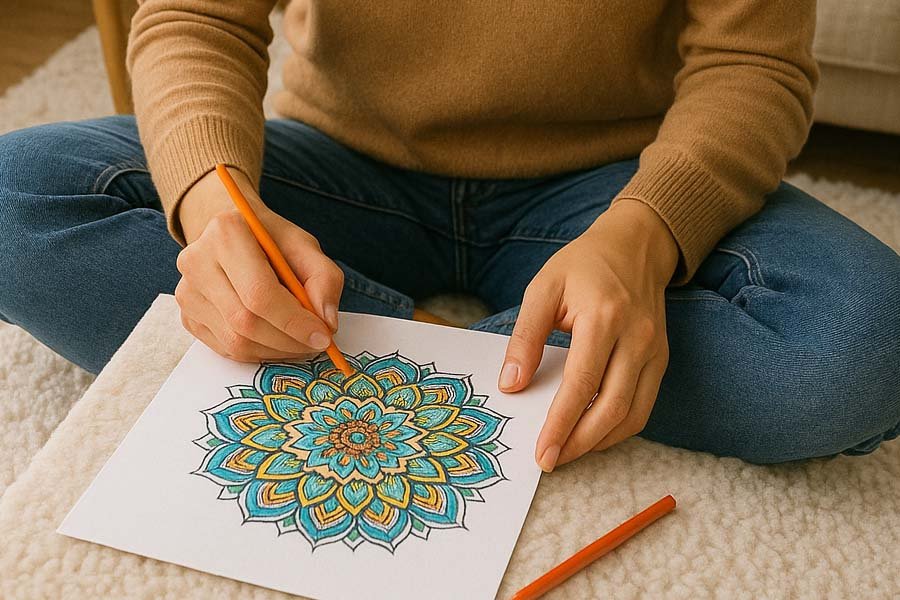
Colouring isn’t just for kids—it’s a relaxing hobby for all ages. Whether you’re filling in an adult colouring book, helping your child with school projects, or creating art for fun, the tools you choose make a huge difference. The most common options are crayons, markers, and coloured pencils, but which one is right for you? Let’s compare their strengths, drawbacks, and best uses.
Markers: Bold, Vibrant, and Easy to Use
Why markers are popular
-
Deliver rich, vibrant colours instantly
-
Perfect for smooth coverage on large areas
-
Available in child-friendly water-based versions and professional alcohol-based sets
-
Great for posters, crafts, and bold illustrations
Things to keep in mind
-
Ink may bleed through thin paper
-
Mistakes are permanent—no erasing
-
Can streak if layered unevenly
-
Dry out if not capped properly
Best for: Quick projects, colouring books with thick paper, and anyone who loves strong, eye-catching colours.
Crayons: Classic, Safe, and Fun
What makes crayons great
-
Easy to use—no setup or cleanup
-
Non-toxic and safe for children
-
Budget-friendly, widely available
-
Huge variety: metallic, glitter, twistable, and even erasable crayons
Possible downsides
-
Waxy texture can look uneven
-
Not ideal for tiny details
-
Colours may smudge or layer poorly
-
Can break with heavy pressure
Best for: Young children, casual colouring, or anyone who wants a simple, mess-free option.
Coloured Pencils: Precise, Versatile, and Blendable
Why artists love them
-
Excellent control for fine details
-
Can blend, shade, and create gradients
-
Wide range of colours, including watercolour pencils
-
Wax-based and oil-based options for different styles
Challenges to consider
-
Covering large areas takes time
-
Tips break if pressed too hard
-
Frequent sharpening required
-
Blending well requires practice
Best for: Adults and teens who enjoy detail work, shading, and creative layering.
Which Colouring Medium Should You Choose?
There’s no single “best” tool—it depends on your goals:
-
For bold, fast results → choose markers.
-
For safe, easy colouring → go with crayons.
-
For detail and depth → pick coloured pencils.
👉 Pro tip: Many artists combine them. For example, use markers for base colours, pencils for shading, and crayons for texture. Experimenting helps you discover your unique style.
Final Thoughts
The best colouring tool is the one that inspires you to create. If you’re just starting out, try all three—you’ll quickly discover which feels right for your projects. Whether you’re colouring for relaxation, creativity, or fun with the kids, the right tools will make the experience more enjoyable.
Please Click Here to Return To HOME PAGE
Other Children Websites you might enjoy …




0 Comments