
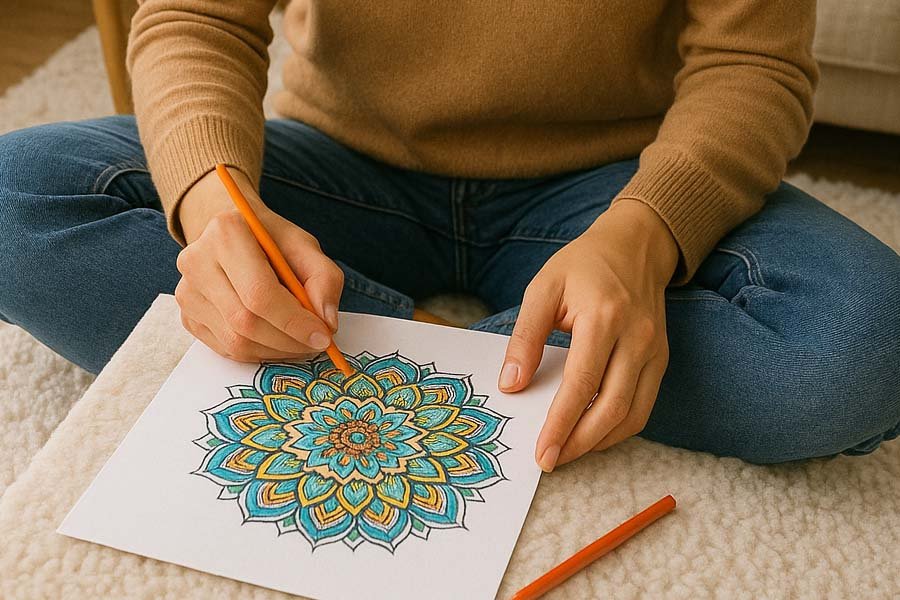
How Colouring Helps Ease Stress
Colouring is often thought of as a childhood pastime, yet millions of adults now turn to pencils and detailed patterns when life feels overwhelming. This growing trend has good reason behind it. The act of bringing shapes to life with colour can steady the heart rate, quieten racing thoughts, and transform a tense evening into a soothing, creative pause. Below, we explore why colouring is effective, how it influences mind and body, and practical ways to weave it into daily life.
1. The Science of “Focused Relaxation”
When you colour, your mind shifts into a state known as focused relaxation. The repetitive, low-pressure movements keep your hands occupied while your brain follows calm, predictable patterns. This quiets the amygdala—the brain’s alarm system responsible for the fight-or-flight response. As stress signals ease, levels of cortisol in the body fall. Many people notice slower breathing and a lighter mood after just fifteen minutes. Research into mindfulness shows similar benefits: lower heart rate, relaxed muscles, and improved emotional wellbeing.
2. Mindfulness Made Simple
Traditional meditation often involves sitting still and letting thoughts pass without judgement, which can feel daunting. Colouring provides a gentler gateway. Each time you pick a shade or focus on staying within the lines, you anchor yourself in the present moment. You are not reliving yesterday’s worries or planning tomorrow’s errands—you are deciding whether a leaf looks better in emerald or olive. This playful redirection nurtures the same mindfulness skills that regular meditation builds, but in a way that feels natural and enjoyable.
3. The Joy of Flow and Small Achievements
Psychologist Mihaly Csikszentmihalyi described “flow” as the state where challenge meets ability. Colouring falls neatly into this zone. Designs are intricate enough to hold attention, but not so complex that they overwhelm. Completing each small section offers a sense of progress, encouraging the release of dopamine, the brain chemical linked to pleasure and motivation. Over time, these little successes can retrain your mind to seek out calming activities instead of defaulting to stressful habits like endless scrolling.
4. How Colouring Helps Ease Stress: Regaining Control in Uncertain Times
Anxiety often thrives on feelings of powerlessness. Colouring counters this by giving you choices—about colours, pressure, and when a page feels finished. This can be grounding, especially when the outside world feels unpredictable. Some find comfort in sticking to a set colour palette, while others enjoy improvising. Either way, the act of making creative decisions reassures the nervous system that not everything is beyond your control.
5. Engaging the Senses
Stress takes hold in both mind and body. Colouring gently addresses both. The feel of pencil or crayon against paper provides tactile feedback, while the subtle sound of strokes adds a calming rhythm. Even the smell of fresh paper can contribute. By engaging several senses at once, attention is drawn away from physical tension in the shoulders or jaw. Many people finish a session realising they had unconsciously softened their posture halfway through.
6. Connection Through Creativity
Though colouring can be a quiet, personal ritual, it also works beautifully in groups. Shared colouring sessions create a relaxed environment where conversation flows easily, and silence feels natural rather than awkward. Online meet-ups, where friends colour together over video calls, offer the same benefits. Strong social bonds are proven protectors against anxiety, so colouring together provides both creative relief and emotional connection.
7. Building a Relaxing Colouring Routine
-
Set the scene: Choose a comfortable, well-lit spot, with a drink to hand so you can stay focused.
-
Keep it short: A ten-minute session is often more sustainable than a long stint. Regularity matters more than duration.
-
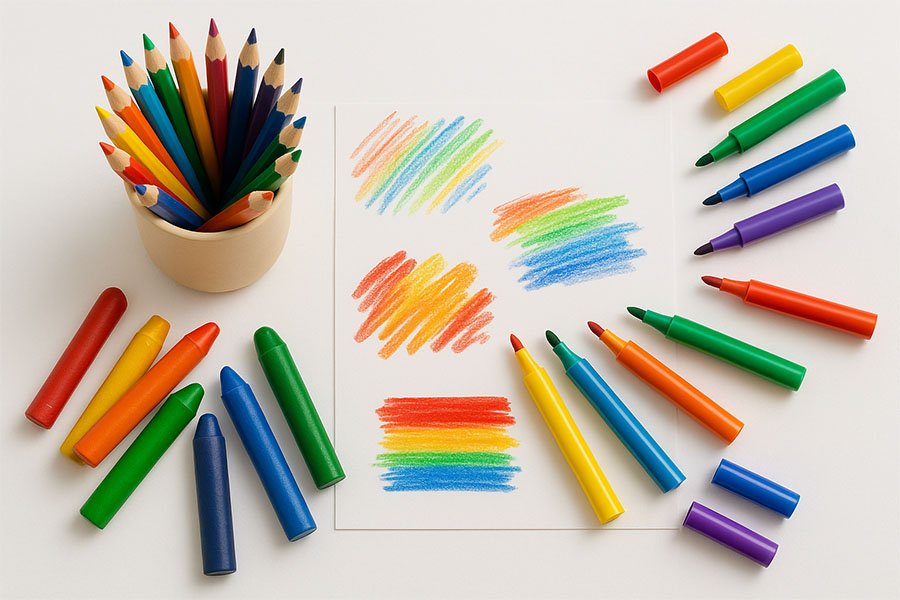
Select your tools: Experiment with pencils, pens, or markers until you find textures that feel most soothing.
-
Pair with calm sounds: Gentle music, nature tracks, or an audiobook can enhance the effect.
-
Let go of perfection: The aim is relaxation, not flawless artwork. Embrace mistakes as part of the charm.
8. Everyday Ways to Incorporate Colouring
-
Morning reset: Add a touch of colour while your tea or coffee brews.
-
Commute calm: A travel-sized colouring book makes public transport time more mindful.
-
Work breaks: Stretch, then colour a small section to refresh focus.
-
Evening wind-down: Swap late-night scrolling for a few quiet minutes with pencils before bed.
9. Tracking Mood and Progress
Keep a simple record of when you colour and how you feel before and after. Over time, patterns may appear—such as better sleep or improved patience on days you colour. Seeing tangible evidence of benefits can motivate you to continue and refine your routine.
10. Recognising When More Support is Needed
While colouring is a powerful tool for easing stress, it is not a complete solution. If anxiety feels overwhelming or persistent, it is important to seek professional support. Use colouring alongside therapy, exercise, and healthy sleep, not in place of them.
Final Thoughts
Colouring transforms a blank page into a pocket of calm. With each stroke, your nervous system slows, and your thoughts gently settle. Its simplicity is part of its power: no costly equipment, no complicated instructions—just colour meeting paper.
Thank you for reading our Article on How Colouring Helps Ease Stress.
Please Click Here to Return To HOME PAGE
Other Childrens Websites you might enjoy …





0 Comments